
Lord of the Rings vs The Hobbit Trilogy: A Fair Comparison
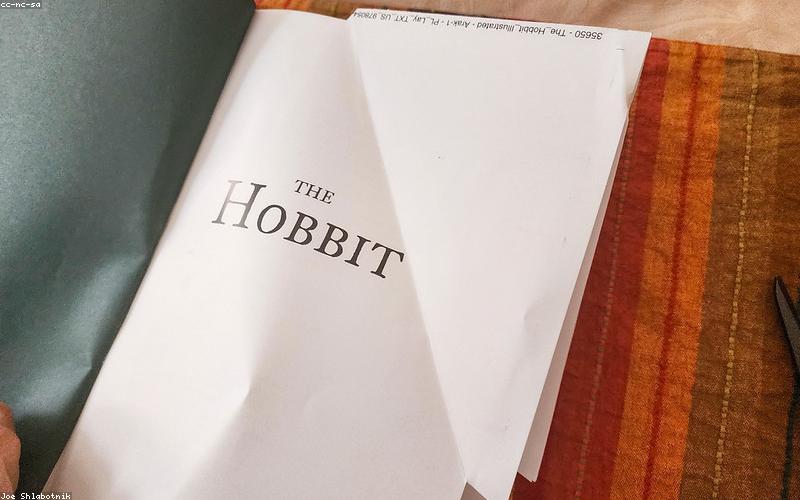
## Two Trilogies, One Director, Very Different Results
Peter Jackson directed two Middle-earth trilogies a decade apart. The first, The Lord of the Rings, is widely considered one of the greatest cinematic achievements of the twenty-first century. The second, The Hobbit, is widely considered a bloated disappointment that diminished the legacy of the first.
The difference is striking, given that both trilogies adapted beloved J.R.R. Tolkien material, used many of the same crew members, featured several returning actors, and were directed by the same person. What went wrong? Or did it? Has the Hobbit trilogy been unfairly maligned, and has Lord of the Rings been unfairly canonized?
A close comparison reveals both the genuine achievements of the first trilogy and the genuine problems of the second, while also identifying surprising areas where the conventional wisdom may be wrong.
The Source Material Problem
The most important difference between the two trilogies starts with the books they adapted. The Lord of the Rings is a sprawling epic of roughly 500,000 words spanning three thick novels, with multiple intertwining plotlines, dozens of major characters, and decades of fictional history behind it. Adapting it into three films was a compression, requiring cuts and consolidations, but the source material genuinely contained enough story for three films of substantial length.
The Hobbit is a children's book of approximately 95,000 words, told in a much simpler style with a single narrative line. It is roughly one fifth the length of The Lord of the Rings, and its tone is closer to a fairy tale than to epic literature. Stretching it into three films of nearly nine total hours required enormous additions of material that was not in the original book.
This fundamental adaptation problem is the root of many of the Hobbit trilogy's issues. The films had to invent storylines, expand characters, and incorporate material from Tolkien's appendices and unfinished writings to fill the runtime. Some of this expansion worked. Much of it did not.
Where Lord of the Rings Succeeds
The first trilogy succeeds at almost every level. The casting was extraordinary, with Ian McKellen as Gandalf, Viggo Mortensen as Aragorn, and a remarkable ensemble that brought Tolkien's characters to vivid life. The locations in New Zealand provided a real-world Middle-earth that no studio set could have replicated. The score by Howard Shore is one of the great film scores of all time. The visual effects, particularly Andy Serkis's groundbreaking motion-capture performance as Gollum, set new standards for what blockbusters could achieve.
But the deeper success of Lord of the Rings lies in its emotional architecture. Jackson and his collaborators understood that the trilogy was, at its heart, a story about friendship, loss, and the cost of doing the right thing in a fallen world. They built the entire film around these themes, with key scenes that pay off slowly built setups across multiple films.
The funeral of Boromir at the end of The Fellowship of the Ring. Sam carrying Frodo up Mount Doom. The horns of Rohan arriving at Helm's Deep. The final farewell at the Grey Havens. These moments work because the films took the time to make us care about these characters before asking us to grieve with them.
Where The Hobbit Stumbles
The Hobbit trilogy includes plenty of legitimate craft. The dragon Smaug, voiced by Benedict Cumberbatch, is a triumph of visual effects and character design. The Battle of the Five Armies includes individual moments of beauty and power. Martin Freeman's performance as Bilbo Baggins is sincere and well-judged. Howard Shore's score, while not at the level of his Lord of the Rings work, is still strong.
But the trilogy suffers from a fundamental tonal confusion. The Hobbit, as a book, is much lighter than The Lord of the Rings. It is a children's story about a respectable hobbit pulled into an unexpected adventure. The films attempt to graft the weight and seriousness of Lord of the Rings onto material that was never meant to bear that weight, with mixed results.
The added material is the most problematic element. The romance between the dwarf Kili and the elf Tauriel, invented entirely for the films, never establishes itself as emotionally credible. The expansion of Azog the Defiler into a major recurring villain creates an extended subplot that has no foundation in the book. The setup for The Lord of the Rings, including the rise of Sauron and the gathering of the Necromancer storyline, intrudes constantly into what should be a simpler narrative.
The Production Differences
One often-overlooked factor in the difference between the two trilogies is the very different production circumstances. Lord of the Rings was filmed back-to-back across an intensive shooting period, with Jackson and his team having years to prepare and a clear creative vision. The Hobbit had a much more troubled production history.
Guillermo del Toro was originally going to direct The Hobbit, with Jackson serving as producer. Del Toro had been involved for years and had developed his own vision for the films. When financial and creative complications forced his departure, Jackson stepped into the director chair with much less preparation time and a script that had been developed for someone else's sensibility.
Additionally, the decision to expand The Hobbit from two films to three was made relatively late in production, requiring further additions and restructuring of material that had already been planned. The technical choice to film at 48 frames per second, while artistically interesting, produced a visual look that many viewers found off-putting and underscored the films' theatrical artificiality.
These production realities contributed to the trilogy's problems in ways that have nothing to do with Jackson's fundamental skill as a filmmaker. He was working under much worse conditions on The Hobbit than he was on Lord of the Rings.
What The Hobbit Got Right
It would be unfair to suggest that The Hobbit trilogy is without merit. The films contain some of the best individual sequences in either trilogy. The Riddles in the Dark scene between Bilbo and Gollum is a masterpiece of suspense and character work. The barrel ride down the river is exhilarating action filmmaking. The conversations between Bilbo and Smaug capture exactly the tone of the book.
The dwarves, particularly Thorin Oakenshield played by Richard Armitage, are well-developed characters who carry genuine emotional weight by the end of the trilogy. Thorin's arc, from initial bitterness through dragon sickness to his final reconciliation with Bilbo, is the strongest piece of dramatic structure in the Hobbit films.
The films also feature returning cast members from Lord of the Rings, including McKellen as Gandalf, who provides continuity with the original trilogy that fans appreciated. The technical craft, even when serving questionable creative decisions, remained at a high level throughout.
A Final Comparison
The honest comparison is that Lord of the Rings is a great trilogy and The Hobbit is a mixed trilogy with genuine strengths and significant weaknesses. The two-film version of The Hobbit that fans have constructed in various edits, removing the excess material and emphasizing the actual story, is generally considered far more successful than the official theatrical version.
Both trilogies share Jackson's enthusiasm for Middle-earth, his commitment to practical and digital effects, and his ability to direct large ensemble casts. They differ in their source material, their production circumstances, and the creative pressures under which they were made.
For viewers who have never seen the Hobbit trilogy, the films are still worth watching. They have moments of real magic, even within an overall structure that does not entirely work. And they have the singular advantage of returning us to a Middle-earth that, even in compromised form, remains one of the most fully realized fictional worlds in cinema history.
Test Your Knowledge!
Think you know this topic? Take a quiz and find out.
The Lord of the Rings Trivia: One Quiz to Rule Them All
Travel from the Shire to Mount Doom and prove your knowledge of Tolkien's saga as adapted by Peter Jackson.
The Harry Potter Movies Quiz: Spells, Houses, and Hogwarts
From the Sorcerer's Stone to the Deathly Hallows, see if your wand chooses you as a true Hogwarts scholar.
Related Articles
The Star Wars Prequels: A Critical Reassessment
Once mocked, now beloved by a generation. We reassess the Star Wars prequel trilogy and its surprising legacy in the galaxy far, far away.
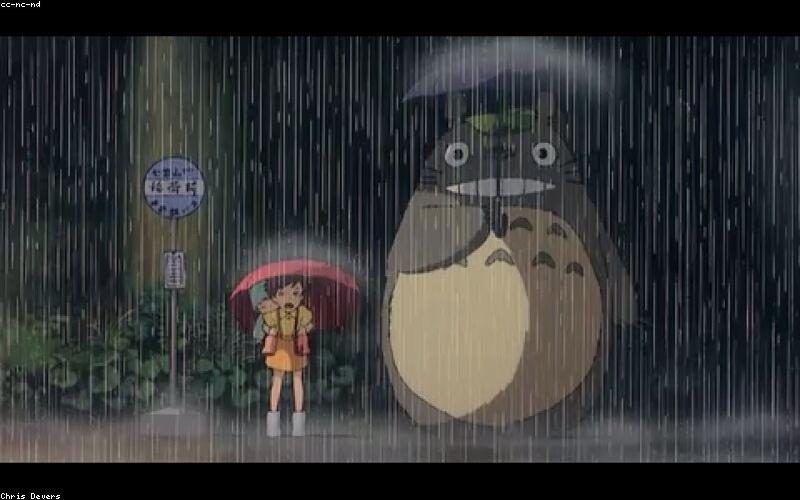
Why Studio Ghibli Films Resonate Across Generations
From Spirited Away to My Neighbor Totoro, Studio Ghibli films have captivated audiences worldwide. We explore what makes Miyazaki's work so timeless.
PG-13 vs. R: How Rating Strategy Now Defines the Blockbuster
Deadpool & Wolverine, Joker, and the modern R-rated blockbuster era — and why the PG-13 default is finally being questioned at the studio level.