
The Star Wars Prequels: A Critical Reassessment
## A Generational Divide
Few films in cinema history have experienced as dramatic a critical reversal as the Star Wars prequel trilogy. Released between 1999 and 2005, The Phantom Menace, Attack of the Clones, and Revenge of the Sith were greeted with disappointment, mockery, and decades of internet ridicule. Yet today, a generation that grew up with these films has come of age and is loudly defending them, while even some original critics have softened their stance.
This reassessment is more than nostalgia. The prequels, viewed with fresh eyes and the benefit of distance, reveal themselves to be ambitious, politically complex, and visually inventive works that took genuine creative risks. They are flawed, certainly, but their flaws are inseparable from their ambitions, and their ambitions were greater than fans gave them credit for at the time.
Understanding Lucas's Vision
To understand the prequels, you must understand what George Lucas was trying to do. He was not making three more swashbuckling adventures in the mold of the original trilogy. He was telling a tragedy. The prequels chart the fall of a republic, the corruption of an order of warrior monks, and the spiritual destruction of a young man with extraordinary gifts.
This is a story closer in tone to Shakespearean tragedy or classical opera than to a popcorn action film. Lucas wanted to show how democracy dies, how good intentions pave the road to fascism, and how love itself can be twisted into a justification for atrocity. These are heavy themes for any film series, let alone one marketed to children with toy tie-ins.
The criticism of the prequels often stems from this mismatch between expectation and execution. Audiences arrived hoping for more lightsaber duels and Han Solo wisecracks. Lucas delivered Senate debates, political intrigue, and a slow-burning tragedy. The disconnect was inevitable.
The Political Sophistication
Watching the prequels in the current global climate is a strange experience. Lucas's portrayal of how Palpatine manipulates emergency powers, manufactures crises, and uses fear to consolidate authority feels uncannily prescient. The line "So this is how liberty dies, with thunderous applause" lands differently in a world that has witnessed democratic backsliding across multiple continents.
The prequels devote significant screen time to the mechanics of political corruption. The Trade Federation crisis, the Clone Wars manipulation, the gradual transfer of war powers to the executive branch, the suspension of Senate authority. These are not exciting plot points in the traditional sense, but they represent something genuinely unusual for a blockbuster franchise: a willingness to engage seriously with how civilizations destroy themselves.
George Lucas wrote much of the prequel trilogy during the early 2000s, drawing parallels between Palpatine's rise and historical authoritarian movements. The fact that these themes have only grown more relevant speaks to the films' political seriousness.
Anakin's Tragedy Reconsidered
Hayden Christensen's performance as Anakin Skywalker was perhaps the most mocked element of the prequels. His delivery was called wooden, his romantic scenes were ridiculed, and his transformation into Darth Vader seemed unconvincing to many viewers.
A reassessment is in order. Christensen was playing a character who is, fundamentally, broken from a young age. Anakin was a slave child, separated from his mother, indoctrinated into a Jedi order that demanded he suppress all attachment. He is awkward, unable to navigate normal social interactions, prone to outbursts. He is, in modern terms, a deeply traumatized young man trying to function in a society that has no language for his pain.
When you watch Anakin's scenes with this understanding, the performance shifts. The stilted line readings become the speech patterns of someone who never learned how to talk to people. The angry outbursts become trauma responses. The romance with Padme becomes the desperate attachment of someone who has spent his life being told that love is forbidden. Christensen was playing a tragedy, and the prequels demanded we watch a tragedy unfold.
Visual and Practical Innovation
The prequels were technical landmarks. They pushed the boundaries of digital filmmaking, integrating CGI characters into live-action environments at a scale never before attempted. Yoda's lightsaber duel with Count Dooku, the massive battle on Geonosis, the city-planet of Coruscant, all represented genuine technical achievements that have aged better than their initial reception suggested.
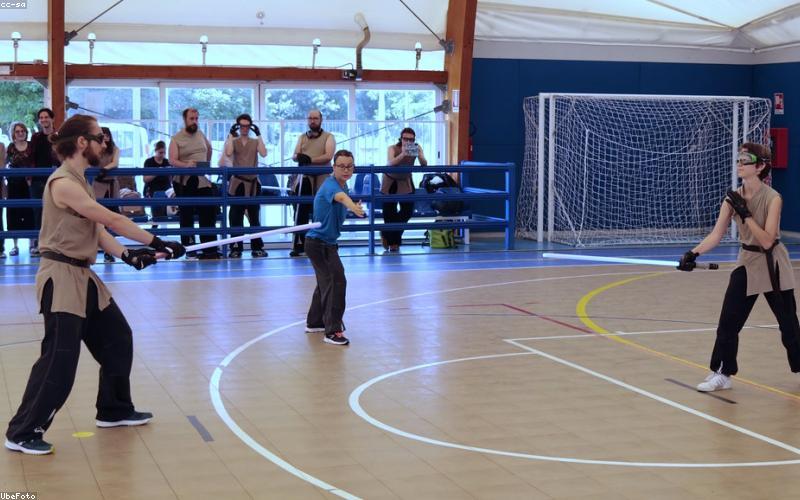
Equally important were the practical elements. The lightsaber choreography in the prequels remains the most acrobatic and visually dynamic in the entire franchise. The duel between Obi-Wan and Anakin on Mustafar in Revenge of the Sith stands as one of the most visually arresting confrontations in cinema. The production design, costumes, and creature effects represent some of the finest craft work in modern blockbusters.
The Prequel Generation
The most fascinating element of the prequel reassessment is the generation now leading it. People who were children when these films came out have grown into adults with the cultural capital to defend their preferences publicly. For them, the prequels are not the failed sequel to the originals but the foundational Star Wars experience.
This generational shift is reshaping how Star Wars is discussed, written about, and continued. Recent additions to the franchise, including The Clone Wars animated series, the Obi-Wan Kenobi limited series, and various novels, have built directly on prequel material and treated it as the canonical center of the saga's mythology. What was once dismissed as a misfire has become the connective tissue of the entire universe.
Flaws That Reveal Ambition
None of this is to say the prequels are perfect. The dialogue is often clunky. Certain characters, particularly Jar Jar Binks, were poorly conceived. The pacing in The Phantom Menace remains an issue. Some of the CGI has not aged gracefully.
But these flaws come from a place of genuine creative ambition. Lucas was trying to make something unlike anything else in mainstream cinema. He was telling a tragic political opera in the language of space adventure, and the seams sometimes showed. Better a flawed work of genuine ambition than a polished work of timidity.
The prequels deserve their reassessment. They deserve to be argued about, defended, criticized, and ultimately understood as the strange, ambitious, deeply personal works they always were.
Test Your Knowledge!
Think you know this topic? Take a quiz and find out.
The Ultimate Star Wars Trivia Challenge: A Galaxy Far, Far Away
Test your knowledge of the Skywalker saga, the Mandalorian, and everything in between. May the Force be with you.
How Well Do You Really Know the Marvel Cinematic Universe?
From Phase One to the Multiverse Saga, test your grasp of the most ambitious film franchise ever made.
Related Articles
The Evolution of Superhero Movies: From Niche to Dominant
Trace the journey of superhero films from low-budget B-movies to the dominant force in Hollywood, and explore where the genre might go next.
Lord of the Rings vs The Hobbit Trilogy: A Fair Comparison
Peter Jackson directed two Middle-earth trilogies with vastly different reputations. We examine what worked, what failed, and why.
PG-13 vs. R: How Rating Strategy Now Defines the Blockbuster
Deadpool & Wolverine, Joker, and the modern R-rated blockbuster era — and why the PG-13 default is finally being questioned at the studio level.