
Why Studio Ghibli Films Resonate Across Generations
## The Quiet Power of Ghibli
In a world of bombastic blockbusters and increasingly frantic animation, Studio Ghibli films stand apart. They breathe. They linger on rustling leaves and steam rising from a pot of soup. They trust their audiences to sit with quiet moments and find meaning in stillness. And yet, more than three decades after the studio's founding, Ghibli films continue to find new viewers in every generation, in every country, across every demographic.
This durability is not accidental. Studio Ghibli, founded by Hayao Miyazaki, Isao Takahata, and Toshio Suzuki in 1985, has produced some of the most universally beloved animated films in cinema history. Spirited Away remains the highest-grossing Japanese film ever made when adjusted for inflation, and titles like My Neighbor Totoro, Princess Mononoke, and Howl's Moving Castle have become permanent fixtures in the global imagination.
A World That Feels Real
The first thing audiences notice about Ghibli films is the painstaking attention to detail. The food looks edible. The wind feels real. The light through a window in Kiki's Delivery Service has weight and warmth. This is the result of obsessive craft and a philosophy that treats animation as a serious art form rather than a children's entertainment medium.
Miyazaki himself has spoken about the importance of what the studio calls ma, a Japanese concept meaning negative space or pause. He has said that in American films, everything is constantly happening, but in real life, there are moments of nothing happening, and those moments matter. They give the busy scenes their meaning.
This philosophy creates Ghibli's distinctive rhythm. Characters take long train rides while looking out windows. They cook meals in real time. They sit and rest. These moments do nothing to advance the plot but everything to advance the feeling of being in this world, with these people.
Complex Characters Without Easy Villains
One of the most striking features of Ghibli films is the absence of traditional villains. In Princess Mononoke, the antagonist Lady Eboshi is also a protector of lepers and outcasts who treats them with dignity their society denies them. The forest spirits who oppose her have legitimate grievances but also commit acts of violence. There is no easy enemy.
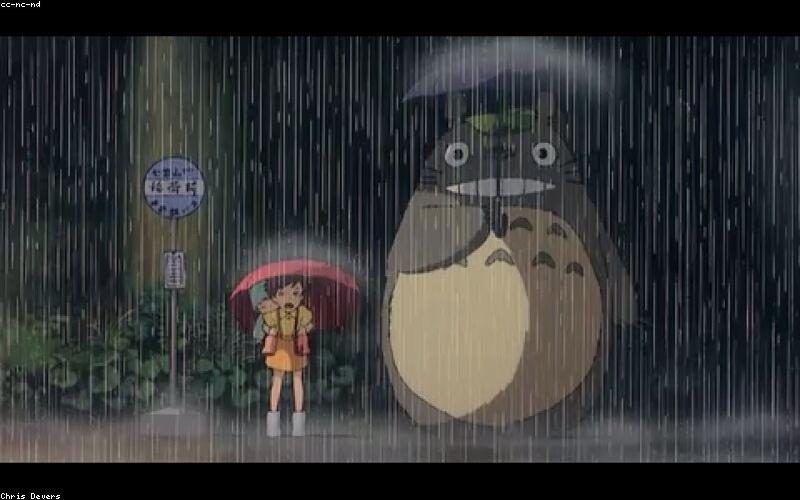
This refusal to provide simple bad guys runs throughout the studio's filmography. Howl's Moving Castle features a war that has no clear cause and no obvious villains. Spirited Away's antagonist, Yubaba, runs a bathhouse with strict rules but also genuinely cares for her workers in her way. Even the Cat Bus from Totoro, perhaps the most beloved Ghibli creature, is neither good nor evil but simply itself.
The result is a moral complexity rare in animated films. Children watching Ghibli movies learn that the world is not divided into heroes and villains, that adults can be wrong, that institutions can be corrupt without being evil, and that compromise and understanding often matter more than victory.
Environmental Themes Done Right
Studio Ghibli has long been associated with environmental themes, but the studio's approach to ecology stands apart from the heavy-handed messaging found in many films aimed at children. Miyazaki does not lecture. He shows.
Nausicaä of the Valley of the Wind imagines a post-apocalyptic world where forests have evolved to clean toxic pollution, and the humans surviving on the edges must learn to coexist rather than dominate. Princess Mononoke depicts the collision between industrial development and the spirits of the forest with a clear-eyed honesty about the costs of progress.
These films do not offer easy solutions. The forest in Mononoke cannot be saved without sacrifice. The toxic jungle in Nausicaä is itself part of the healing, not something to be fought. The implication is that environmental crisis is not a problem to be solved but a condition to be lived through, with whatever wisdom and humility we can muster.
Strong Female Protagonists
Long before Hollywood began belatedly recognizing the need for complex female characters, Studio Ghibli was building entire films around them. Sophie in Howl's Moving Castle, Chihiro in Spirited Away, San in Princess Mononoke, Kiki in Kiki's Delivery Service, Sheeta in Castle in the Sky, Satsuki and Mei in My Neighbor Totoro. These are not princess archetypes waiting to be rescued. They are protagonists with agency, fears, courage, and contradictions.
Miyazaki has spoken about preferring female protagonists because he finds them more interesting to write and animate. He gives them flaws, including selfishness, cowardice, and naivete, and he lets them grow into themselves over the course of his films. They do not need male validation to complete their arcs. They become themselves.
This commitment to female characters has made Ghibli films particularly meaningful to generations of young viewers, especially girls, who saw on screen the kinds of heroines rarely available elsewhere in animation.
The Power of Hand-Drawn Animation
In an era when major studios have largely abandoned hand-drawn animation in favor of computer-generated imagery, Ghibli has remained committed to the traditional craft. Their films are still drawn frame by frame, with thousands of artists contributing to every production. The result has a texture and warmth that no amount of digital rendering can quite replicate.
This commitment is not nostalgic stubbornness. It reflects a philosophy about what animation should feel like, what it should communicate about the world. Hand-drawn animation has imperfections, slight inconsistencies between frames, the visible trace of human hands. These imperfections give Ghibli films their living quality. You can sense the artists behind the work in a way that polished CGI animation often obscures.
A Universal Language
Perhaps the deepest reason Ghibli films resonate so widely is that they trust their audiences. They do not over-explain. They do not condescend. They present worlds with their own internal logic and let viewers discover that logic for themselves. They include moments of strangeness and ambiguity that resist easy interpretation.
This trust transcends cultural and linguistic barriers. A child in Brazil and a grandmother in Sweden can both watch Totoro and find something true in it, because the film speaks to experiences and emotions that are common to all of us. Loss, wonder, the strangeness of childhood, the comfort of a familiar place, the strangeness of growing up.
That is the secret of Ghibli's enduring appeal. The films do not chase trends or pander to specific audiences. They simply tell true stories, beautifully drawn, and trust that truth and beauty are enough.
Test Your Knowledge!
Think you know this topic? Take a quiz and find out.
Studio Ghibli Films Quiz: Spirits, Skies, and Soot Sprites
Test your knowledge of Miyazaki, Takahata, and the most beloved animation studio in the world.
The Classic Disney Movies Quiz: Animated Legends Tested
From Snow White to The Lion King, prove you remember the songs, sidekicks, and villains of the Disney Renaissance.
Related Articles
How Pixar Tells Emotional Stories That Stay With You
From the opening of Up to the ending of Toy Story 3, Pixar has mastered the art of emotional storytelling. Here's how they do it.
Wes Anderson Visual Style Guide: The Symmetry of His Cinema
Symmetrical compositions, pastel palettes, and Futura font. Decoding the distinctive visual language that makes Wes Anderson films unmistakable.
PG-13 vs. R: How Rating Strategy Now Defines the Blockbuster
Deadpool & Wolverine, Joker, and the modern R-rated blockbuster era — and why the PG-13 default is finally being questioned at the studio level.