
Why Vinyl Records Are Back and Outselling CDs Again
## A format that refused to die
For most of the 2000s, vinyl was a hobbyist's joke. The CD had killed it, then the MP3 had killed the CD, and physical music looked finished. Then something quietly weird happened. Vinyl sales climbed every year from 2007 forward, and by 2022 vinyl was outselling CDs in the United States for the first time since 1987. By the mid-2020s, it had become a multibillion-dollar slice of the music industry — a fraction of streaming revenue overall, yet by far the most profitable physical format an artist can sell.
Why? The easy answer is nostalgia, but that explanation gets thinner every year. Most new vinyl buyers were not alive when records dominated. Something else is happening, and it has more to do with how people want to experience music than with longing for the past.
The format itself feels like an event
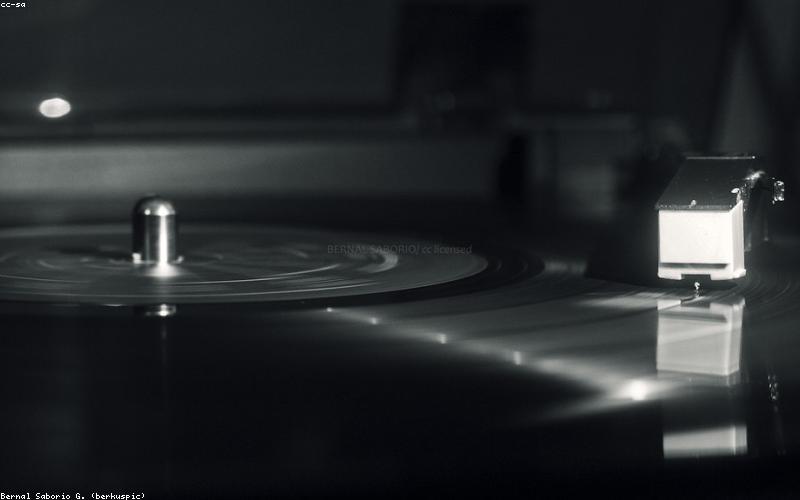
Putting on a record is a sequence of small physical decisions. You slide the sleeve out, hold a twelve-inch object, study the artwork, lower the needle, and commit to a side. There is no skip button without standing up. That friction — annoying in theory — is the whole point. Streaming removed friction so successfully that listening became background. Vinyl puts the ritual back in.
This matters in a culture saturated with passive consumption. When Adele released *30*, she delayed the album from Spotify shuffle to encourage front-to-back listening. When Taylor Swift dropped *Midnights*, she made the vinyl release the centerpiece of a clock-themed marketing campaign. Both artists understood that fans wanted not just the songs but the experience of sitting down with the songs.
The album as a physical object you actually own
Streaming gives you access. Vinyl gives you ownership. The distinction sounds quaint until your favorite album disappears from a platform after a licensing dispute, or until you realize your "library" can be edited overnight by an algorithm. Records, by contrast, sit on a shelf. They are tangible proof of a relationship with an artist.
A few details fans care about:
- The artwork. Twelve-inch sleeves, gatefolds, lyric inserts, and printed inner sleeves restore the visual dimension that streaming compressed into a 300-pixel thumbnail.
- The variants. Colored vinyl, splatter pressings, picture discs, and exclusive sleeve art give labels a way to release the same album multiple times to dedicated collectors.
- The credits. Liner notes still list who played, engineered, and mixed every track — a detail that streaming services bury or omit entirely.
Record Store Day and the indie shop renaissance
Independent record stores were nearly extinct by 2007. The launch of Record Store Day in 2008 helped reverse that decline. The annual event, anchored by exclusive limited releases pressed only for participating shops, gave indie stores a tentpole event that drew lines around the block. Stores that had been quietly closing for a decade started opening again.
Cities that lost their last record store in 2005 now have several. Brooklyn, Austin, Berlin, and Tokyo each support thriving local scenes built around stores that double as venues, bars, and community hubs. Younger collectors have rediscovered the simple pleasure of digging through used bins, talking to the staff, and stumbling onto something they would never have surfaced through an algorithm.
Artists actually get paid
For a working musician, vinyl economics are dramatically better than streaming. A million Spotify plays might generate a few thousand dollars. Selling a few thousand records — at $25 to $40 each — generates real money, even after pressing and distribution costs. Independent artists figured this out first. Bandcamp, which pioneered the direct-to-fan model, saw vinyl become its largest physical category by 2019.
Big-name acts then leaned in. Taylor Swift's strategy of releasing multiple vinyl variants with alternative tracklists turned each album launch into a collector's event and helped power 1989 (Taylor's Version), *Midnights*, and *The Tortured Poets Department* to record-breaking first weeks. Beyoncé released *Cowboy Carter* on a deluxe vinyl edition with a foldout poster. Olivia Rodrigo and Phoebe Bridgers built fan economies around limited pressings.
The slow-listening backlash
There is a generational element to the revival too. People who grew up entirely inside playlists and algorithmic feeds are the ones who report the strongest pull toward physical music. They have never had to live with vinyl's inconveniences as a default, only as a choice. That choice — a deliberate hour with one album, no notifications, no skipping — is a small rebellion against attention economics.
This is part of a broader cultural pattern. Film photography, paper books, handwritten letters, and slow-cooked food have all seen revivals among young people exhausted by infinite digital options. Vinyl fits the same emotional logic. It rewards attention. It says the album you are listening to is worth your time.
What the comeback doesn't mean
It is worth being precise. Vinyl is back, but it is not replacing streaming. The numbers tell the story honestly: streaming accounts for the vast majority of recorded music revenue, while vinyl makes up a small but extremely valuable slice. The two formats serve different needs. Streaming is convenience and discovery. Vinyl is commitment and ownership.
Nor does the revival mean that every album sounds better on vinyl. Many modern records are mastered digitally and pressed onto vinyl as an afterthought, sometimes with worse audio quality than the streaming version. Audiophiles still chase the original 1973 *Dark Side of the Moon* pressing for a reason. The format's appeal is not purely sonic — it is cultural, ritual, and economic.
A takeaway for new collectors
If you are tempted to start buying records, the practical advice is unromantic. Spend more on the turntable than on the speakers at first, keep your stylus clean, and store records vertically. The romantic advice is simpler. Pick an album you already love, buy it on vinyl, put it on, and sit through both sides without your phone. The reason millions of people have done this in the last decade is not nostalgia. It is the discovery that listening — really listening — is a pleasure most of us forgot we could choose.
Test Your Knowledge!
Think you know this topic? Take a quiz and find out.
Famous Album Covers Quiz: Can You Identify the Artwork?
Album art is an art form in itself. From iconic photographs to surreal illustrations, test your knowledge of the covers that defined music history.
Which Decade of Music Suits You Best?
Every decade has its own sound, style, and attitude. Answer these questions to find out which musical era you truly belong in.
Related Articles
Why Album Art Still Matters in the Streaming Age
From Dark Side of the Moon to Blonde, album covers remain powerful cultural artifacts. Here's why visual identity still shapes how we experience music.

How Streaming Changed Music Forever
From Spotify to Apple Music, streaming has reshaped how artists release, fans consume, and the industry profits from songs in dramatic ways.
The Greatest Songwriters of All Time
From Bob Dylan to Joni Mitchell to Stevie Wonder, exploring the songwriters who shaped modern music and the craft behind their most timeless songs.