
Why Album Art Still Matters in the Streaming Age
## The Thumbnail That Carries a World
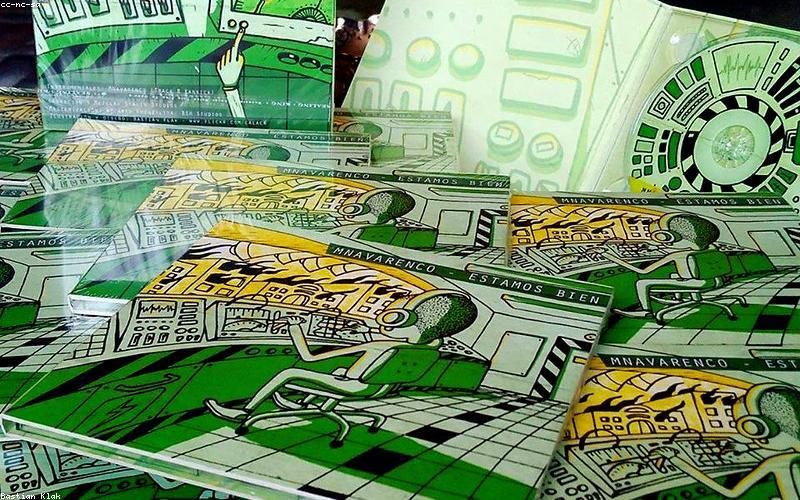
In the streaming era, album art has shrunk from a twelve-inch canvas to a thumbnail barely an inch wide on a phone screen. Critics predicted the format would become irrelevant—a vestigial organ from the vinyl age. Instead, album art has adapted and, in some ways, become more important. In a sea of infinite content, the cover is often the first and only visual signal a listener encounters before pressing play. The artists who understand this are designing for the scroll, not the shelf.
The Golden Age of the LP Cover
Album art as a serious design discipline began in the late 1960s. Before that, most covers were simple photographs or text. The shift came when bands like The Beatles ("Sgt. Pepper's Lonely Hearts Club Band," designed by Peter Blake and Jann Haworth), Pink Floyd ("The Dark Side of the Moon," designed by Storm Thorgerson's Hipgnosis studio), and Led Zeppelin (the untitled fourth album's mysterious symbols) began treating the cover as an extension of the music. The twelve-inch vinyl sleeve gave designers a canvas large enough for detail, and the gatefold format doubled the space. Fans spent hours studying the collage on "Sgt. Pepper's," identifying faces and reading hidden messages. The cover was part of the listening experience.
Iconic Covers and What They Communicate
Certain album covers have transcended their music to become standalone cultural images. The Velvet Underground's banana, designed by Andy Warhol, is recognizable to people who have never heard "Sunday Morning." Nirvana's "Nevermind" baby swimming toward a dollar bill captured the generation's relationship to commerce in a single frame. Joy Division's "Unknown Pleasures" pulsar wave has appeared on more T-shirts than perhaps any other album image. Kendrick Lamar's "To Pimp a Butterfly," showing Black men celebrating on the White House lawn over a fallen judge, made a political statement before a single lyric was heard. Each of these covers does work that the music alone cannot: it gives the listener a visual frame through which to interpret sound.
The Minimalist Turn
As screens shrank, many artists moved toward bold simplicity. Kanye West's "Yeezus" arrived in a clear jewel case with a strip of red tape. Drake's "Nothing Was the Same" used a simple painted portrait. Frank Ocean's "Blonde" featured a blurred green-tinted photograph. Billie Eilish's "When We All Fall Asleep, Where Do We Go?" used a stark image of her sitting on a bed with glowing white eyes. These covers work at any size because they rely on color, contrast, and a single focal point rather than intricate detail. The constraint of the thumbnail has, paradoxically, produced some of the most striking visual identities in recent music.
Color as Brand Identity
Several modern artists have built entire visual systems around color. Taylor Swift's eras are color-coded: "Fearless" is gold, "Speak Now" is purple, "Red" is obvious, "1989" is polaroid blue, "Reputation" is black, "Lover" is pastel rainbow, "Folklore" is grey, "Midnights" is midnight blue. Fans can identify the era from a single color swatch. Tyler, the Creator uses saturated palettes that shift with each album cycle. Beyoncé's "Renaissance" holographic silver and "Cowboy Carter" denim blue each established immediate visual worlds. In a feed-based media environment, color recognition is faster than text recognition—and smart artists exploit that.
The Vinyl Revival and Large-Format Art
The resurgence of vinyl has given album art a second life at full scale. Vinyl buyers consistently cite the artwork and physical packaging as a primary reason for purchasing records they could stream for free. Limited-edition colored vinyl, gatefold sleeves, printed inner sleeves, and poster inserts have become standard. Artists like Tyler, the Creator, Charli XCX, and Radiohead have invested heavily in physical packaging as a collector's object. The twelve-inch cover is no longer the default format, but it has become a premium format—and premium formats attract premium design.
AI, Generative Art, and the Future
The rise of AI image generation has introduced new questions. Some independent artists have used AI tools to create covers when budgets don't allow professional designers. Others have pushed back, arguing that album art should be as human-crafted as the music itself. Holly Herndon and Grimes have experimented with AI-assisted visuals as part of their artistic practice. The tension between accessibility and authenticity will likely define the next decade of album art discourse.
The Cover as First Impression
In a world where listeners make split-second decisions about what to play, the album cover functions as a first impression, a brand mark, and a mood signal simultaneously. A great cover does not just represent the music—it primes the listener for the emotional experience ahead. The dark, rain-soaked photograph on Bon Iver's "For Emma, Forever Ago" tells you something before the first guitar note. The joyful chaos of The Beatles' "Sgt. Pepper's" prepares you for sonic adventure. The stark white of The Beatles' self-titled "White Album" signals a deliberate emptying-out.
Why It Will Never Die
Album art will not disappear because music is not purely auditory. Humans are visual creatures, and we attach meaning to images instinctively. As long as musicians want to frame their work—to say "this is the world you are entering"—they will need a visual gateway. The format may keep shrinking, the medium may keep changing, but the impulse to pair sound with image is as old as cave paintings and drum circles. Album art is not a relic. It is a necessity.
Test Your Knowledge!
Think you know this topic? Take a quiz and find out.
Famous Album Covers Quiz: Can You Identify the Artwork?
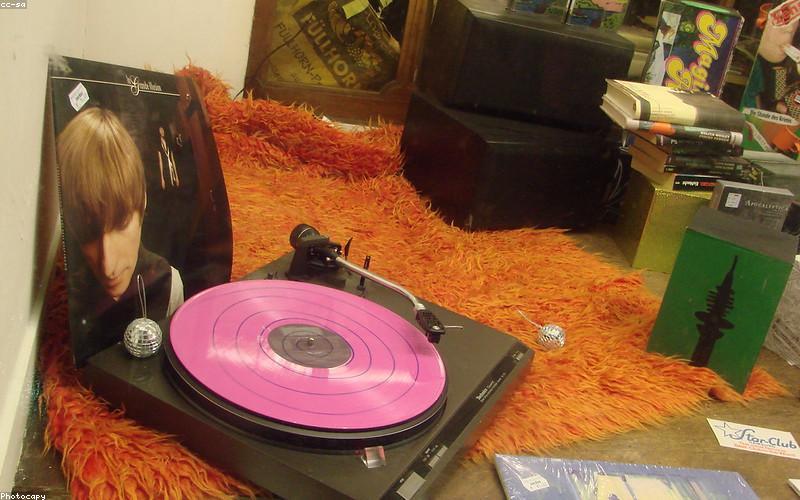
Album art is an art form in itself. From iconic photographs to surreal illustrations, test your knowledge of the covers that defined music history.
Which Decade of Music Suits You Best?
Every decade has its own sound, style, and attitude. Answer these questions to find out which musical era you truly belong in.
Related Articles

The Evolution of Pop Music From the 2000s to Now
Trace pop music's wild journey from TRL-era anthems and ringtone rap to streaming-era genre blending, bedroom producers, and TikTok-driven hooks.
Why Vinyl Records Are Back and Outselling CDs Again
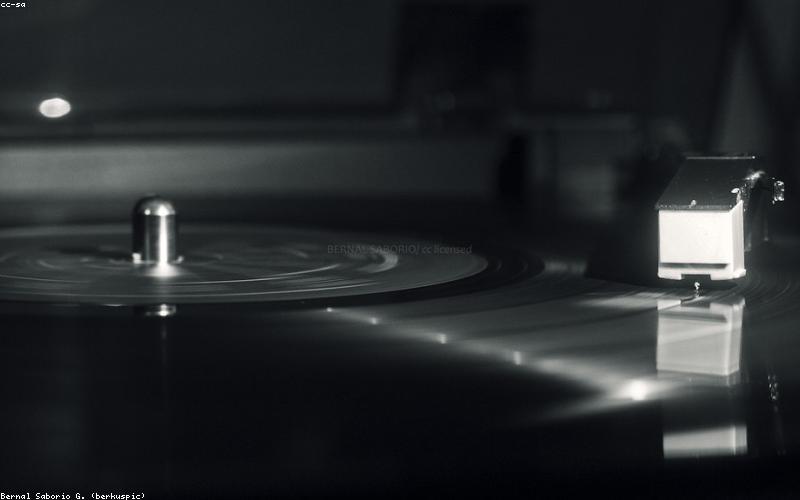
Explore the vinyl revival's deeper causes: tactile listening, album-as-art-object, Record Store Day, Taylor Swift variants, and the slow-listening backlash.

Indie Sleaze: Why the Late-2000s Aesthetic Came Back, and What It Means
The flash-photography party aesthetic of the late 2000s returned in the 2020s as a music and visual revival, reframed by a generation that never lived it the first time.