
Why The Office Still Resonates Twenty Years Later
## The Show That Refused to Go Away
When The Office premiered on NBC in 2005, it was a struggling adaptation of a beloved British comedy, with ratings so low that cancellation seemed imminent throughout its first season. Twenty years later, it is one of the most watched shows on streaming platforms, generating hundreds of millions of dollars annually for whoever owns its broadcast rights and serving as comfort viewing for a generation that was barely born when the show originally aired.
The journey from near-cancellation to enduring cultural phenomenon raises interesting questions. Why does this particular sitcom resonate so deeply with audiences who never watched it during its initial run? What does The Office offer that newer comedies cannot quite replicate? And what does its continued popularity tell us about what we want from television?
A Comedy About Boredom
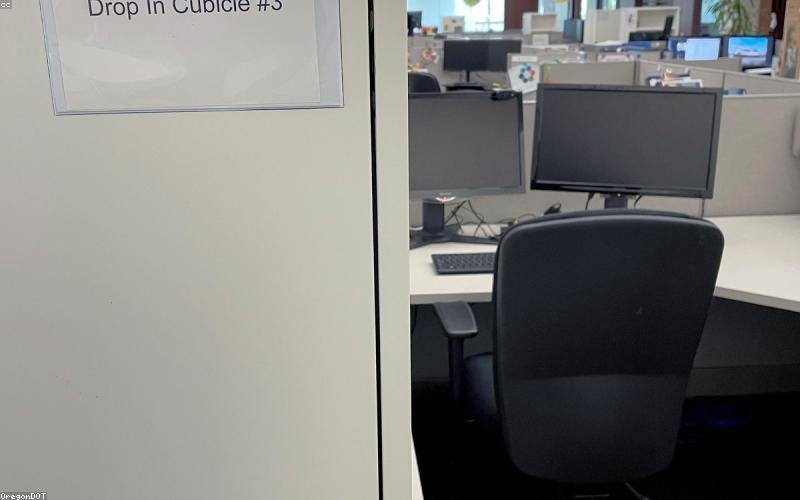
At its surface, The Office is a workplace comedy about a paper company in Scranton, Pennsylvania. The premise is deliberately unsexy. There are no doctors or lawyers or police officers. There are no high stakes or life-or-death situations. The setting is the kind of beige corporate office that millions of Americans actually inhabit, with cubicles, fluorescent lighting, and break rooms with cheap coffee.
This setting is part of the show's enduring appeal. The Office is one of the few sitcoms that takes seriously the experience of ordinary work, with its small humiliations, petty politics, and occasional flashes of genuine connection. The boredom is not played for laughs in an obvious way. It is treated as the ambient reality of these characters' lives, the thing they navigate every day.
Younger viewers, including those who have never worked in a traditional office, find this depiction strangely fascinating. The Office documents a particular kind of American work culture that may already be fading, with its in-person interactions, water cooler conversations, and the requirement to coexist with the same group of people for years on end. For viewers who have only worked from home, the show is almost an anthropological document.
Michael Scott as Tragic Figure
The character of Michael Scott, played by Steve Carell, is the engine that makes the show work. Michael is, on paper, an obnoxious figure. He is racist, sexist, and homophobic in ways that the show repeatedly highlights. He is incompetent at his job in ways that should be intolerable. He is desperate for approval to a degree that should be exhausting to everyone around him.
But Michael Scott is also one of the most genuinely sympathetic characters in television history. He is desperate for approval because he is profoundly lonely. He is incompetent at his job because he was promoted beyond his abilities and the show is honest about how that happens. His worst qualities are not signs of his fundamental nature but of his ignorance, and over seven seasons the show charts his slow growth into a more thoughtful person.
The Michael Scott arc is one of the most carefully constructed character developments in sitcom history. By the time he leaves Scranton in the seventh season, he has become someone who can love and be loved, who can recognize his own limitations, who has found something like a family. His departure is genuinely moving in a way that few sitcom moments achieve.
The Jim and Pam Question
The romance between Jim Halpert and Pam Beesly was a central pleasure of the show during its initial run. Their slow burn through the first three seasons, with the unrequited longing, the secret pranks, and the agonizing near-misses, captured something true about workplace romance and the strange intimacy that develops between coworkers.
The romance has aged in interesting ways. Some viewers now find Jim's pursuit of Pam more uncomfortable than romantic, with the secrecy and his refusal to take her seriously as an engaged woman feeling less charming in contemporary contexts. Others continue to find the romance genuinely affecting, particularly in the moments where the show acknowledges its complications.
Whatever one's view of the romance specifically, the show's treatment of their later marriage and family is one of its quieter achievements. Most sitcoms struggle with how to depict couples after the will-they-won't-they tension is resolved. The Office handled this transition more thoughtfully than most, with Jim and Pam's marriage including its own conflicts and difficulties rather than coasting on settled romance.
A Cast of Specific Weirdos
One reason The Office sustains rewatches is the depth of its supporting cast. Almost every character in the office, from the major figures like Dwight and Kevin to minor recurring presences like Phyllis and Stanley, is given specific quirks and depths that make them feel like real people rather than sitcom archetypes.
Dwight Schrute, played by Rainn Wilson, is the most obvious example. He is a beet farmer, a self-appointed assistant to the regional manager, a martial arts enthusiast, and a Battlestar Galactica obsessive. The combination is genuinely strange, but the show makes him cohere into a recognizable person rather than a collection of quirks.
Even more peripheral characters get their moments. Toby from HR has a tragic loneliness that the show plays for both comedy and pathos. Creed Bratton is a mystery, a former rock musician with a checkered past who occasionally drops genuinely disturbing lines into otherwise mundane conversations. Kelly and Ryan have one of the most psychologically realistic toxic relationships in sitcom history.
This commitment to specific character work pays dividends on rewatch. New jokes emerge. Background interactions become foreground details. The show becomes denser and more rewarding the more you watch it.
Comfort in the Familiar
A significant element of The Office's continued popularity is its function as comfort television. Viewers report watching the show repeatedly while doing other tasks, falling asleep to it, treating it as ambient companionship rather than focused entertainment.
This usage pattern is genuinely interesting. The Office succeeds as comfort viewing because it offers low-stakes pleasure without requiring sustained attention. The characters are familiar. The settings are familiar. The rhythms of each episode are predictable. You can drop in at any point and be reasonably oriented.
This is not a knock on the show. The ability to function as both serious narrative entertainment and ambient comfort is a real achievement. Few shows can support multiple viewing modes the way The Office can.
The Cringe That Aged Well
The Office is famous for its cringe humor, with extended sequences of social discomfort that some viewers cannot tolerate. Michael Scott's worst moments, including his racial impressions, his constant inappropriate workplace behavior, and his catastrophic failed attempts at connection, can be genuinely difficult to watch.
The show's handling of this material has aged interestingly. Some bits feel more uncomfortable now than they did at the time, with jokes about workplace harassment and ethnic stereotypes hitting differently in current contexts. Other bits, including the show's persistent critique of Michael's behavior, feel more sophisticated than they once did.
The Office did not endorse Michael's worst tendencies. The show consistently positioned him as wrong, with other characters reacting with the discomfort that viewers were meant to share. The cringe was meant to be educational as well as entertaining, with Michael serving as a cautionary figure for what happens when someone in authority refuses to learn.
What The Office Got Right
The enduring popularity of The Office is not a fluke. The show got several things right that newer comedies struggle with. It treated its setting seriously. It built characters over years rather than seasons. It allowed its protagonist genuine growth. It found warmth alongside its cringe. It created a workplace community that felt earned rather than asserted.
Future shows will continue to imitate The Office's formula, and few will succeed at the same level. The combination of factors that produced this show may be impossible to replicate exactly. But its continued popularity confirms what its best episodes always suggested: that there is enduring value in a comedy that takes ordinary lives seriously and finds in them the small dignities and absurdities that constitute most of human experience.
Test Your Knowledge!
Think you know this topic? Take a quiz and find out.
The Office Trivia: How Well Do You Know Dunder Mifflin?
From Scranton's finest paper company to Scott's Tots, test your knowledge of The Office with these tricky trivia questions.

Friends TV Show Trivia: Could You BE Any More Ready?
From Central Perk to the Geller-Green wedding, see if you remember the jokes, jobs, and relationships that defined the sitcom era.
Related Articles

Friends Cultural Impact: 30 Years Later
Three decades after its premiere, Friends remains one of the most-streamed shows in the world. We examine its complicated legacy.

How Breaking Bad Changed TV Drama Forever
Vince Gilligan's chemistry teacher turned criminal saga didn't just succeed. It permanently changed how prestige television gets made.
PG-13 vs. R: How Rating Strategy Now Defines the Blockbuster
Deadpool & Wolverine, Joker, and the modern R-rated blockbuster era — and why the PG-13 default is finally being questioned at the studio level.