
The Weeknd's Sonic Evolution: From Dark R&B to Pop Maximalism
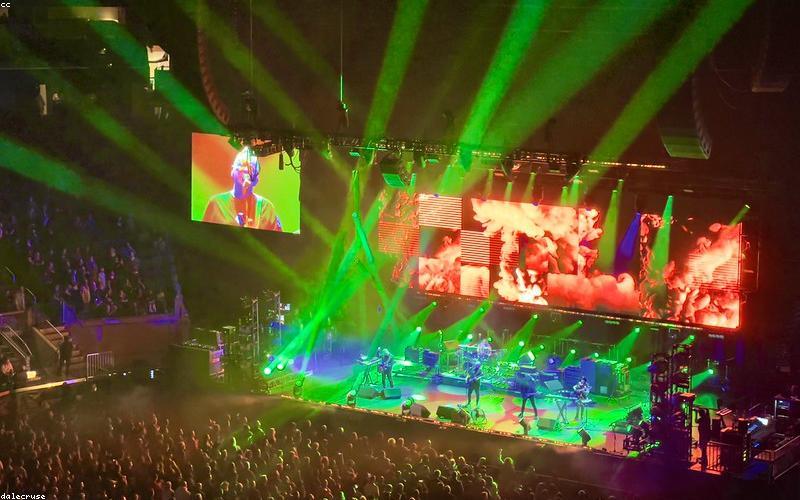
# The Weeknd's Sonic Evolution: From Dark R&B to Pop Maximalism
Few artists have undergone as dramatic a sonic transformation as Abel Tesfaye while maintaining creative credibility at every stage. From the lo-fi haze of House of Balloons to the retro-futurist radio of Dawn FM, The Weeknd has treated each album cycle as a complete reinvention — new sound, new visual identity, new narrative universe.
The Mixtape Era: Anonymity as Aesthetic
When House of Balloons appeared on YouTube in March 2011, nobody knew who made it. There was no press cycle, no label announcement — just nine tracks of atmospheric R&B that sounded like nothing else. The production, handled largely by Illangelo and Doc McKinney, layered samples from Beach House and Siouxsie and the Banshees beneath Tesfaye's falsetto, creating a sound that music writers struggled to categorize.
Thursday and Echoes of Silence followed within the same year, completing a trilogy that established The Weeknd's early identity: nocturnal, hedonistic, and sonically adventurous. The deliberate anonymity — no photos, no interviews, no social media presence — created mystique that amplified the music's impact.
Kiss Land to Beauty Behind the Madness: The Crossover
Kiss Land (2013) was a transitional album, maintaining the dark atmosphere while introducing more structured pop songwriting. But it was Beauty Behind the Madness (2015) that completed the crossover. "Can't Feel My Face," produced by Max Martin, was a Michael Jackson-channeling pop song that topped the Hot 100. The album proved Tesfaye could operate at pop's highest commercial level without abandoning his artistic identity.
The key was selectivity. Rather than filling an album with radio-ready tracks, he placed pop singles alongside darker, more experimental cuts. This approach — accessible entry points surrounded by challenging material — became his template.
Starboy and After Hours: Building Universes
Starboy (2016) introduced Daft Punk as collaborators and leaned into electronic textures. But it was After Hours (2020) that represented The Weeknd's most fully realized artistic statement. The album told a linear narrative — a descent into Las Vegas excess followed by redemption — with a consistent 1980s synth-pop palette inspired by Blade Runner and Martin Scorsese films.
"Blinding Lights" became the biggest song in Billboard Hot 100 history by chart longevity. But the album's ambition extended beyond singles: it was a concept piece with a visual universe expressed through music videos, award-show performances, and the Super Bowl halftime show.
Dawn FM and Beyond: The Radio Concept
Dawn FM (2022) pushed the concept-album approach further, framing itself as a radio broadcast guiding listeners through purgatory. Jim Carrey narrated transitions between songs. The production, shaped by Max Martin and Oneohtrix Point Never, blended 1980s new wave with experimental electronic textures.
The album demonstrated that The Weeknd's ambitions had grown beyond music into multimedia storytelling. Each era is now a complete world — visual language, narrative arc, character design — that happens to be delivered through pop songs.
The Art of Reinvention
What distinguishes The Weeknd's evolution from typical pop-star rebranding is its coherence. Each era builds on the previous one while sounding entirely different. The dark R&B of the mixtapes informed the emotional depth of After Hours. The pop craftsmanship learned from Max Martin elevated Dawn FM's experimental concepts into accessible forms.
Tesfaye has spoken about ending The Weeknd as a project, suggesting that the character has a finite narrative arc. Whether or not that happens, his career demonstrates that commercial pop music can sustain genuine artistic ambition — that reinvention and accessibility are not opposing forces but complementary ones.
Test Your Knowledge!
Think you know this topic? Take a quiz and find out.
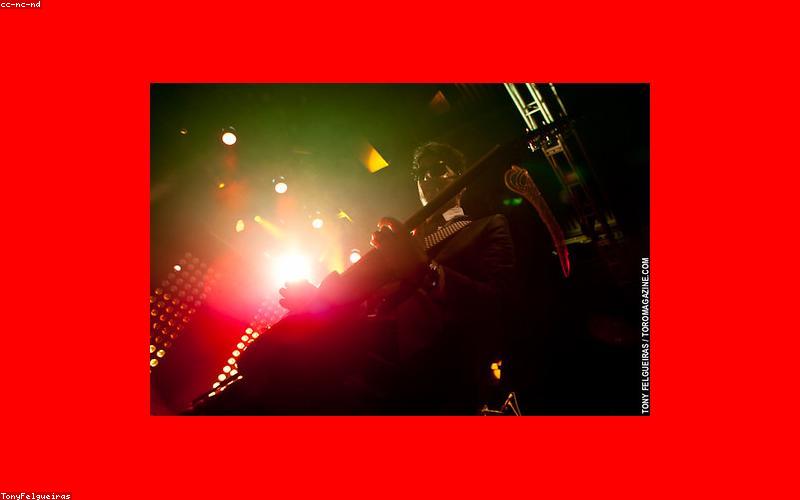
The Weeknd Trivia: After Hours and Beyond
From mysterious mixtape uploads to Super Bowl headliner, test your knowledge of Abel Tesfaye's transformation into a global pop force.

Drake Discography Quiz: Mixtapes, Albums, and Hits
From So Far Gone to global chart dominance, Drake has reshaped what a rap album sounds like. Test your knowledge of his releases, features, and chart milestones.
Related Articles
The Evolution of Pop Music From the 2000s to Now
Trace pop music's wild journey from TRL-era anthems and ringtone rap to streaming-era genre blending, bedroom producers, and TikTok-driven hooks.

How Streaming Changed Music Forever
From Spotify to Apple Music, streaming has reshaped how artists release, fans consume, and the industry profits from songs in dramatic ways.

Indie Sleaze: Why the Late-2000s Aesthetic Came Back, and What It Means
The flash-photography party aesthetic of the late 2000s returned in the 2020s as a music and visual revival, reframed by a generation that never lived it the first time.