Celtic Symbolism and Its Meanings: Knots, Trees, Spirals, and More
## The Reach of Celtic Art
The Celtic peoples were a network of related cultures across ancient Europe, spreading from the British Isles to parts of Spain, France, and central Europe. Their art is famous for intricate, looping designs that feel almost mathematical: knotwork that braids endlessly, spirals that turn inward, animals that bite their own tails.
These designs were carved into stone, illuminated in manuscripts like the Book of Kells, and worked into metal jewelry. While we do not always know exactly what each pattern meant to the original artists, many symbols have accumulated meaning across centuries of folklore, scholarship, and revivalist art.
Approached as living symbols, Celtic art offers a beautiful vocabulary for self-reflection. The patterns themselves invite slow looking, like meditations made of line.
The Celtic Knot
Celtic knots are interlaced designs with no clear beginning or end. Some are simple, some are dazzlingly complex. The knot is often read as a symbol of connection, eternity, and the unbroken weaving of life.
Different knot variations carry their own associations. The trinity knot (triquetra) emphasizes threes: mind, body, spirit, or past, present, future. The lover's knot, two looping strands tied together, emphasizes commitment between two people.
As a personal symbol, the Celtic knot speaks to loyalty, lasting bonds, and the quiet truth that everything in your life is connected to everything else.
The Tree of Life (Crann Bethadh)
The Celtic Tree of Life shows a tree with its branches and roots mirroring each other, forming a continuous loop. Trees were sacred in Celtic culture, especially the oak. Communities gathered under specific trees for meetings, judgments, and rituals.
The Tree of Life represents balance between worlds, ancestry, and rootedness. It is a reminder that what you grow above the surface depends on what you tend below it. As a personal symbol, it is often chosen by people thinking about heritage, family, or personal growth.
The Spiral
The single spiral appears across many ancient cultures, but in Celtic art it is especially common, found on Neolithic monuments like Newgrange in Ireland. It is read as a symbol of growth, evolution, and the cyclical nature of life.
Some interpretations see the spiral as the journey from the outer world to the inner self, or vice versa. As a personal symbol, the spiral speaks to gradual transformation, the kind that feels slow until you look back and see how far you have come.
The Triskele (Triple Spiral)
The triskele is three spirals joined at the center. It is one of the oldest and most recognizable Celtic symbols, found at Newgrange and many other ancient sites.
Common interpretations of the triskele include:
The three realms: land, sea, and sky.
The three stages of life: maiden, mother, crone (or youth, adult, elder).
The three aspects of the self: mind, body, spirit.
The triskele is a symbol of balance and wholeness through three interrelated parts. As a personal symbol, it speaks to integration, to the importance of all three parts of yourself, and to the truth that wholeness is rarely a straight line.
The Celtic Cross
The Celtic cross is a Christian cross with a circle around the intersection. It is famously found across Ireland and Scotland, often carved into stone.
The cross is read as the meeting of earth and heaven, while the surrounding circle is variously interpreted as eternity, the sun, or the wholeness in which the cross is held. As a personal symbol, the Celtic cross speaks to spiritual integration, tradition, and the search for meaning that grounds you in something larger.
The Shield Knot
Shield knots are squarish knot patterns historically associated with protection. Warriors carried them on shields or wove them into armor. There are several variations across Celtic and Norse traditions.
As a personal symbol, the shield knot speaks to protection, principles, and the quiet strength of being someone who guards what matters. Many people choose shield knot imagery during life chapters where they are practicing healthy boundaries.
The Triquetra
The triquetra is a three-pointed knot resembling three vesica piscis shapes interlocked. It has both pre-Christian and Christian readings. In older traditions, it has been associated with triple goddesses; in Christian tradition, with the Trinity.
As a personal symbol, the triquetra speaks to the harmony of three, to triadic balance, and to the recognition that important truths often come in threes.
The Awen
The Awen is a more modern Druidic symbol of three rays radiating from three points, often within a circle. It represents inspiration, creative flow, and the meeting place of inner and outer worlds. Many contemporary Druids treat it as the symbol of poetic and spiritual inspiration.
For artists, writers, and anyone working with creativity, the Awen makes a beautiful personal anchor.
Animals in Celtic Art
Animals carry meaning in Celtic symbolism too. The salmon represents wisdom, drawing on the legend of the Salmon of Knowledge. The stag represents nobility and the wild. The raven represents prophecy and the otherworld. The hare represents transformation and intuition. The horse represents freedom and partnership with humans.
Choosing one of these as a personal animal symbol is a way to align with a particular quality you want to embody.
Working With Celtic Symbols
A few thoughtful ways to engage:
Learn the layered meanings before adopting a symbol. The depth makes the symbol much more powerful than a surface aesthetic.
Choose one symbol for a season of life. Wear it, draw it, place it somewhere visible. Notice what it brings up.
Pair a symbol with a small intention. The Tree of Life with "honor your roots." The triskele with "balance the three of me." The shield knot with "protect your peace."
A Living Tradition
Celtic symbolism is not a single fixed system. It is a tradition that has evolved across centuries, blended with other traditions, and continues to evolve in modern revivalist communities. Approaching it with respect, curiosity, and a willingness to learn the history makes it a rich source of meaning.
For self-reflection, these symbols offer something the modern world often does not: patterns that loop, repeat, and invite you to slow down and look again. Sometimes that's exactly what we need.
Test Your Knowledge!
Think you know this topic? Take a quiz and find out.
What Celtic Symbol Represents You?
Celtic art is full of meaning: knots, trees, spirals, and shields. Find the symbol that captures your inner story. For entertainment and self-reflection only.
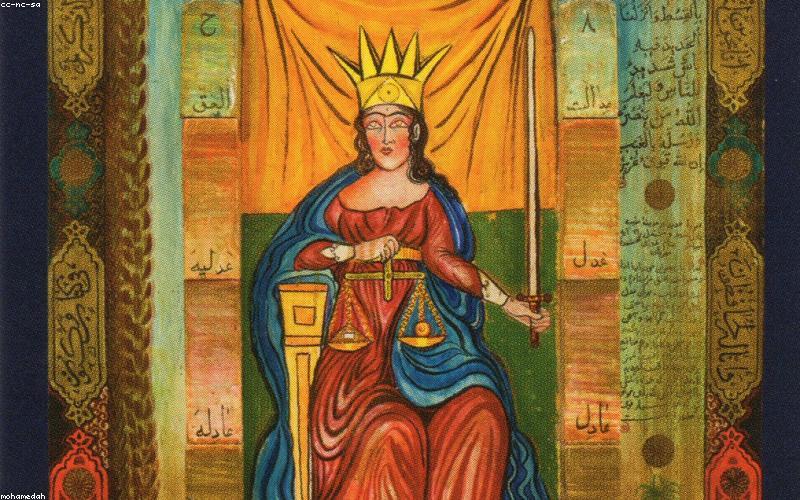
Which Tarot Card Represents You?
From The Fool's curiosity to The Magician's mastery, every Major Arcana card mirrors a part of the human experience. Take this 10-question quiz to discover which archetype most reflects your current self.
Related Articles
Spiritual Symbols and Their Meanings
From the lotus to the evil eye, spiritual symbols carry centuries of meaning. Explore the most common symbols, their origins, and what they represent for personal growth.
Understanding Personal Symbolism: Building Your Own Inner Vocabulary
Personal symbols are the meaningful objects, colors, and images that anchor your inner world. Here's how to notice and work with yours. For self-reflection only.
How Birth Order Shapes Personality: Firstborns, Middle Children, and Youngest Siblings
Discover what decades of research reveal about how your position in the family lineup influences your personality traits and life choices.