
Understanding Personal Symbolism: Building Your Own Inner Vocabulary
## Why Symbols Matter
Humans have always used symbols. Cave paintings, sacred trees, family crests, wedding rings, military medals, prayer beads. Across every culture and era, people have invested specific objects, images, and gestures with meaning beyond their literal use.
Symbols matter because they let us hold complex things in compact form. A wedding ring is a small piece of metal, but it carries a vow. A family photo on your desk is a piece of paper, but it carries decades of love. A symbol is a shortcut between an outer object and an inner truth.
Personal symbolism is the practice of recognizing or building these shortcuts deliberately, for yourself. Used thoughtfully, it becomes a quiet vocabulary for your inner life.
Cultural Symbols vs. Personal Symbols
There are two main kinds.
Cultural symbols are widely shared. The cross, the Star of David, the lotus, the yin-yang, the heart, the rainbow, the four-leaf clover. These carry meanings that have been built and refined across centuries.
Personal symbols are particular to you. The seashell from the trip where you fell in love. The mug you bought yourself the day you got the job. The color you have been drawn to ever since a hard year ended.
Both kinds have power. Cultural symbols connect you to a long human conversation. Personal symbols connect you to your own specific story. Most of us live with both, often layered.
How Personal Symbols Form
Personal symbols usually form through significant moments. Something happens during a memorable chapter, and the object, color, or image present at that moment quietly takes on meaning. Years later, the symbol still carries some of that emotional charge.
Common ways personal symbols form:
Through transition. The pen you used to sign the lease. The earrings you wore on your last day at the old job.
Through grief. A grandmother's scarf. A father's watch. The book your friend gave you before they died.
Through love. A letter, a photo, a small gift that became precious.
Through identity formation. The first piece of jewelry you bought yourself. The plant that survived your hardest year.
Through art. A song that played when something shifted. A poem that named what you could not.
These symbols are rarely chosen consciously. They emerge, and you recognize them in retrospect.
Building Symbols Deliberately
You can also build personal symbols on purpose. Some traditions and modern practices work this way:
Choosing a stone or piece of jewelry to mark a goal or season.
Naming a color or animal as your symbol for a chapter of life.
Choosing a phrase or image as a kind of personal motto.
Picking a tarot card or rune to anchor a year.
Building a small altar or shelf with objects that represent values you want to embody.
When you choose a symbol intentionally, the act of choosing is part of what gives it power. You are saying, "This object will represent this thing I am working on." The reminder, every time you see it, becomes its own quiet practice.
Working With Symbols
A few simple ways to use personal symbols:
As reminders. A small object somewhere visible can remind you of a value, intention, or person you love. It works even if you do not believe in any spiritual properties. The reminder itself is the function.
As anchors during hard moments. A bracelet you can touch, a ring you can rotate, a stone in your pocket. Tactile symbols give your hands something to do when emotions are high.
As markers of transitions. Burying or releasing an object to mark the end of a chapter. Choosing a new object at the beginning of one. These rituals are small but real.
As gifts. A symbolic gift carries meaning the recipient can keep with them. A book, a stone, a piece of jewelry, a hand-written letter.
Listening for Symbols You Already Have
If this is new to you, the first practice is just noticing.
Look around your space and ask which objects carry meaning. Not all of them will. Some are just stuff. But you will likely find some that are quietly important: a photo, a card, a small item from a meaningful moment.
Notice colors you keep returning to. Many people have a color or two that recurs across their wardrobe, decor, and creative work. Often the color is connected to a feeling or a chapter.
Notice small objects you carry. Wallet items, key rings, jewelry you never take off. Often these have layered meanings that have built up over time.
Notice patterns in your imagery. Do certain animals, plants, or shapes keep showing up in your art, journals, or daydreams? They are usually telling you something.
Symbols and Memory
Symbols also help us hold the parts of our lives we are afraid of losing. A person, a chapter, a feeling. Carrying a small object that reminds us of a loved one is one of the quietest, most ancient ways to keep them present.
Grief work often involves choosing what to keep symbolically and what to release. There is no right answer. Some people hold tightly to objects from the people they have lost. Others release them and keep memory in their bodies and minds. Symbols can help with either path.
When Symbols Stop Working
Sometimes a symbol stops carrying meaning. The chapter it represented is over, or you have grown past the version of yourself it spoke for. That is okay. You are allowed to retire symbols. Letting one go can be its own gentle ritual.
You can also update symbols. The same object can take on new layers of meaning as you change. A bracelet your friend gave you when you were 22 can mean something different at 32 without losing the original meaning.
A Small, Quiet Practice
Try this:
Choose one symbol for a value you want to embody this season of life. It can be an object, a color, an animal, a phrase. Pick something that resonates without explanation.
Place it somewhere you will see it daily.
Each time you see it, take one breath and remember the value. That is the whole practice.
After a few months, notice if the symbol has done quiet work. Often, having a daily reminder, however small, shapes you in ways you do not see in real time.
A Vocabulary for Your Inner Life
Personal symbolism is not magic. It is meaning-making. The quiet, ancient act of letting an object stand for something larger than itself.
Done with care, it gives your inner life a vocabulary that is unique to you. Things you cannot easily say in sentences can be held in symbols. Memory, hope, grief, identity, love, transition, all of it can be condensed into objects you can see, touch, and carry.
That is one of the small magics of being human. Build your collection slowly, honestly, and with attention. Over time, the symbols you keep will tell a story that feels exactly like yours.
Test Your Knowledge!
Think you know this topic? Take a quiz and find out.
What Celtic Symbol Represents You?
Celtic art is full of meaning: knots, trees, spirals, and shields. Find the symbol that captures your inner story. For entertainment and self-reflection only.
What Flower Represents Your Soul?
Every soul has a bloom that mirrors its essence. Discover which flower captures your personality, energy, and the beauty you bring to the world.
Related Articles
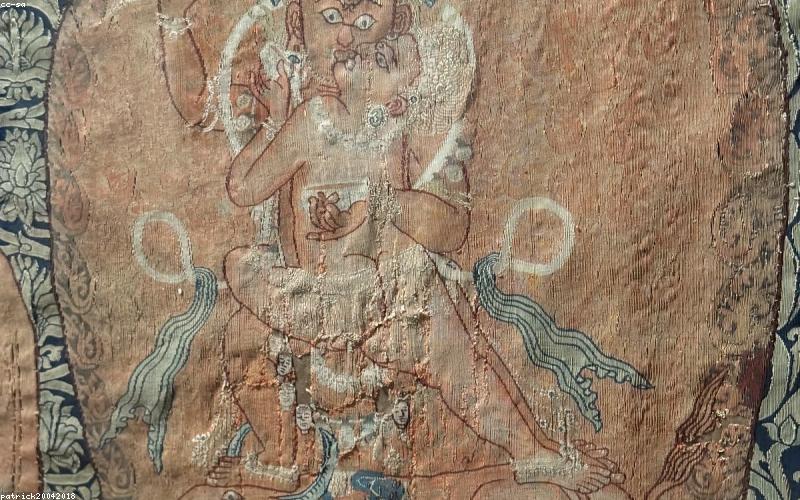
Spiritual Symbols and Their Meanings
From the lotus to the evil eye, spiritual symbols carry centuries of meaning. Explore the most common symbols, their origins, and what they represent for personal growth.
The Art of Self-Reflection: Practices That Help You Know Yourself
Self-reflection is a quiet but powerful skill. Here's a friendly guide to practices that help you notice, name, and understand your inner life. For self-reflection only, not professional advice.
How Birth Order Shapes Personality: Firstborns, Middle Children, and Youngest Siblings
Discover what decades of research reveal about how your position in the family lineup influences your personality traits and life choices.