
Tour Economics After Eras: How the Stadium Tour Became Pop's Center of Gravity

## The Tour That Reset the Industry
When Taylor Swift's Eras Tour concluded in December 2024 after 152 shows across five continents, it had grossed an estimated 2.1 billion dollars, making it the highest-grossing concert tour in history by a margin so large that the previous record looked like a different category of event. The Eras Tour also produced a 261-million-dollar concert film, the highest-grossing concert film of all time, and an associated book about the tour that climbed bestseller lists. The cumulative cultural and economic footprint of the tour, across roughly two and a half years from March 2023 to December 2024, was without precedent in modern touring.
The structural significance of the Eras Tour is not just that it broke records. It is that it reset what is plausible at the upper end of the touring market, and the rest of the industry is now adjusting to the new ceiling. Stadium tours by Beyonce, Coldplay, U2, Bruce Springsteen, Bad Bunny, and others have run alongside or in the wake of the Eras Tour, all benefitting from and responding to the same economic conditions. The post-Eras touring economy looks different from what came before, and the differences are worth examining.
What the Eras Tour Demonstrated
The Eras Tour demonstrated four structural things that the industry had not fully understood before. First, that a single superstar tour could sustain a three-hour-plus performance length across more than 150 dates without losing audience demand. Second, that a "career-retrospective" format, organized by album eras rather than by chronological setlist, could drive merchandise and ticket sales beyond a conventional album-promotion tour. Third, that fan-participation rituals like the friendship-bracelet exchange could generate sustained social-media engagement that extended each show's commercial impact beyond the gate revenue. Fourth, that dynamic-pricing ticketing could be applied at scale to a single tour without permanently damaging the artist's audience relationship, provided the artist navigated the political fallout carefully.
Each of those demonstrations has been picked up by subsequent stadium tours in different ways. Beyonce's Cowboy Carter Tour, which ran in 2025, organized its set list around the album's structure and the "act" framing of the broader project. Coldplay's Music of the Spheres Tour, which has been running since 2022 and expanded substantially after the Eras Tour's success, leaned into the long-form spectacle format that the Eras Tour normalized. Bad Bunny's Most Wanted Tour and World's Hottest Tour translated the Eras-Tour logic into a Latin-music context, with similar career-retrospective sequencing.
The Dynamic Pricing Question
The most contentious structural innovation of the recent stadium-tour era is dynamic pricing. The practice, which adjusts ticket prices in real time based on demand, was originally developed for airline tickets and has been deployed for live events with increasing intensity since the early 2010s. The Eras Tour's initial Ticketmaster sale in November 2022 became the moment dynamic pricing became a mainstream policy debate, after the platform's queue system collapsed under demand and resale prices reached levels that drew Congressional scrutiny.
Subsequent tours have tried to navigate the dynamic-pricing question in different ways. Some artists have publicly capped ticket prices to keep them within reach of their audiences. Zach Bryan has been one of the most vocal proponents of this approach. Others have used dynamic pricing more cautiously, with caps on the high end and verified-fan-only pre-sales designed to reduce scalper participation. The Bruce Springsteen 2023 tour drew controversy when dynamic pricing pushed individual tickets into four-figure territory for premium seats, and Springsteen publicly defended the approach as a fairer way to capture value that would otherwise go to scalpers.
The dynamic-pricing debate is structurally unresolved. The argument in favor is that scalpers will capture the price difference if the artist does not, and that primary-market pricing should match what fans are actually willing to pay. The argument against is that pop tours are mass-cultural events whose ticketing should not be priced like luxury goods, and that the cumulative effect of dynamic pricing across an industry is to push live music further out of reach for younger and lower-income audiences.
The Stadium Spectacle Format
The contemporary stadium tour format has converged on a particular set of structural conventions. Set lengths of 2.5 to 3 hours are now standard for major pop tours. Stage designs have grown more elaborate, with multiple performance positions, extending platforms, and large-scale video screens that function as both visual elements and crowd-distance compensation. Costume changes have multiplied. Setlists have grown longer and more dependent on production cues, which has reduced the room for night-to-night spontaneity that older touring conventions used to assume.
The format has structural advantages and disadvantages. The advantage is that audiences who paid a substantial ticket price for a once-in-a-tour experience get a show that justifies the investment. The disadvantage is that the production requirements have driven tour costs into territory that only the very biggest artists can sustain, which has structurally widened the gap between top-tier touring acts and the next tier down.
For audiences, the practical consequence is that the contemporary stadium tour is a different category of event from the tours of even ten years ago. The investment in time, money, and travel that a stadium-tour ticket increasingly represents has changed the audience's expectations and the artist's responsibility to deliver.
Surprise-Song Culture and the Friendship-Bracelet Economy
One of the structural innovations of the Eras Tour was the institutionalization of the "surprise song" segment. Each show included an acoustic mini-set where Swift performed two songs not on the official setlist, drawn from the deeper catalog. The surprise songs became a major fan-participation focus, with online tracking communities documenting which songs had been played and which had not, and which combinations remained unplayed.
The structural cleverness of the surprise-song format is that it gave each individual show a unique element that could not be reproduced in tour videos or recordings, which incentivized fans to attend more than one show or to follow the tour's setlist data closely. Subsequent tours have adopted variations on the format. The surprise-song culture also feeds into the broader fan-documentation infrastructure that contemporary tours rely on. The tour's footprint extends beyond the gate revenue because the audience itself produces sustained content about the tour for months after each show.
The friendship-bracelet exchange tradition that emerged at Eras Tour shows is one of the more interesting cultural innovations in recent touring. The bracelet exchange was organic, originating with Swift fans before the tour and accelerating after Swift's song "You're on Your Own, Kid" included the lyric "So make the friendship bracelets, take the moment and taste it." By the middle of the tour, the bracelet exchange had become a defining part of the audience experience, with fans making and trading hundreds of bracelets per show.
The structural significance of the bracelet exchange is that it gave the audience a creative, participatory ritual that operated outside the artist-controlled aspects of the tour. The bracelet economy was driven entirely by fans, and the merchandise dimension of it, with bead suppliers and bracelet kit makers experiencing demand surges, operated in parallel to the tour's official merchandising.
The broader lesson, for other tours, is that fan-driven rituals can extend the cultural footprint of a tour in ways the artist cannot directly engineer. Subsequent stadium tours have varied in how aggressively they have tried to encourage analogous rituals, with mixed results. Rituals that emerge from the fan community tend to take hold; rituals that are top-down assigned tend not to.
The Concert Film and What the Stadium Tour Has Become
The Eras Tour Film, released in October 2023 to a 261-million-dollar gross, demonstrated that a concert film could function as a major commercial release in its own right rather than as a supplementary product. The film also documented the tour's setlist and visual production for audiences who could not attend the show, which had implications for both the tour's lasting cultural footprint and the merchandising of the album catalog the tour featured.
Subsequent tours have followed the concert-film template with varying success. Beyonce's Renaissance: A Film by Beyonce, released in December 2023, took a similar approach and produced strong but smaller box-office numbers. The structural lesson is that a major tour can now be expected to produce a feature-length film as part of its commercial life, in addition to whatever live recordings and visual content the artist releases.
The contemporary stadium tour, in its post-Eras form, is structurally closer to a multi-month brand event than to a conventional album-promotion tour. The tour produces ticket revenue, merchandise revenue, concert-film revenue, social-media engagement, fan-community ritual material, and an extended afterlife in tour books, streaming spikes for the underlying catalog, and bracelet-economy infrastructure. The combined commercial and cultural footprint of a major stadium tour is now several multiples of what gate revenue alone produces.
The question for the rest of the industry is how the changes at the top of the touring market affect everything underneath. The structural concern is that the resources required to mount a major stadium tour have moved out of reach for an increasingly large portion of the touring industry. The structural opportunity is that the cultural attention that major stadium tours generate creates audience demand that smaller tours can sometimes capture in adjacent markets.
How the post-Eras touring economy settles will be one of the defining music-industry stories of the late 2020s. The Eras Tour itself is over. The conditions it created are not. The artists who follow will be working inside a touring market that has been permanently reshaped by what the Eras Tour proved was possible, and the next two-decade cycle of major pop touring will be measured against the bar Eras set.
Test Your Knowledge!
Think you know this topic? Take a quiz and find out.
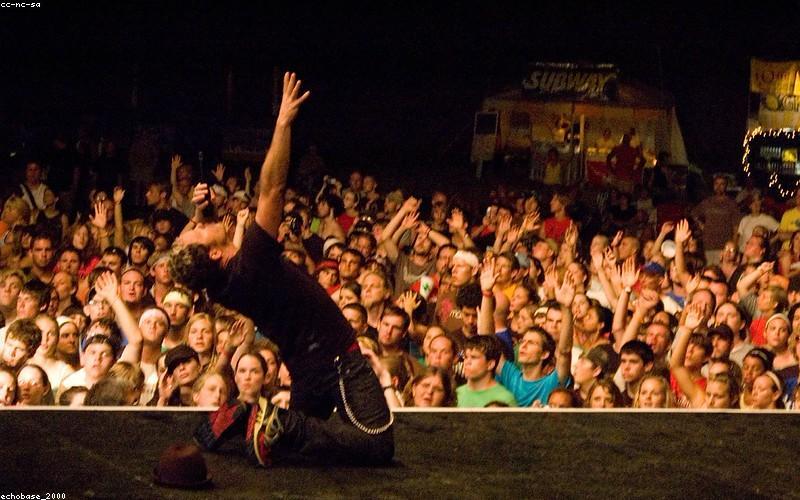
What's Your Concert Superfan Style?
General admission, seated purist, friendship-bracelet swapper, or pit veteran. Discover the live-music identity that suits you best.
Which Album-Era Aesthetic Suits You?
Disco revival sparkle, bedroom-pop intimacy, vintage country storytelling, or genre-bending experimentalism. Find your album-era aesthetic.
Related Articles
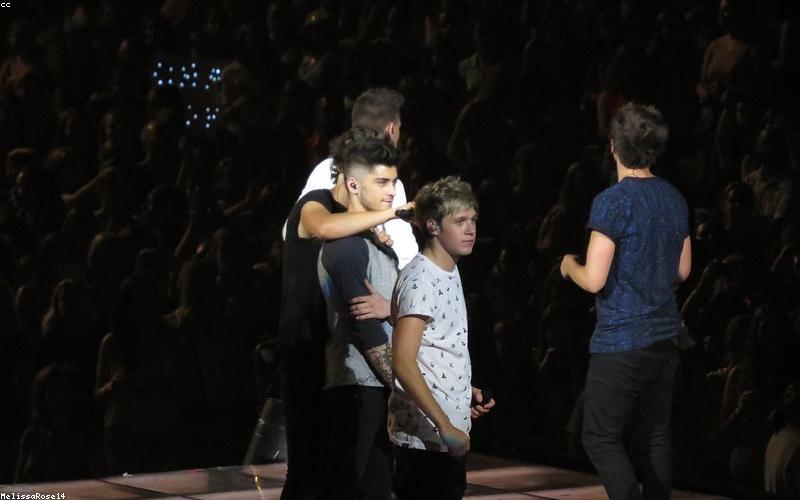
Taylor Swift's Album Eras Explained
A guided tour through every Taylor Swift era from her self-titled debut to The Tortured Poets Department, decoding the sound, story, and aesthetic of each.
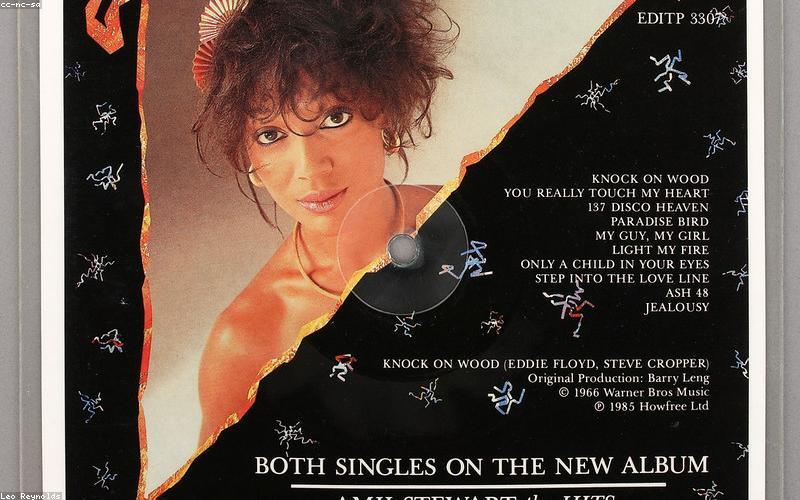
The Vinyl and Cassette Resurgence, A Deeper Look
Beyond the headline numbers, what the vinyl and cassette resurgence of the 2020s actually says about how listeners want to live with music.

Indie Sleaze: Why the Late-2000s Aesthetic Came Back, and What It Means
The flash-photography party aesthetic of the late 2000s returned in the 2020s as a music and visual revival, reframed by a generation that never lived it the first time.