Tarot Cards for Beginners: A Friendly Introduction
## What Is Tarot?
Tarot is a system of 78 illustrated cards that has been used for centuries as a tool for reflection, storytelling, and exploring the human experience. While some people use tarot for divination, many modern practitioners approach it as a mirror — a way to access intuition, examine situations from new angles, and spark meaningful self-inquiry.
A standard tarot deck is divided into two sections: the Major Arcana (22 cards) and the Minor Arcana (56 cards). Together, they represent the full spectrum of human experience, from major life transitions to everyday challenges and joys.
It's important to approach tarot with the right mindset. The cards don't predict a fixed future or reveal absolute truths. Instead, they offer symbols and archetypes that your intuition can interpret in the context of your own life. Think of them as conversation starters with your subconscious.
The Structure of a Tarot Deck
The Major Arcana contains 22 cards numbered 0 through 21, beginning with The Fool and ending with The World. These cards represent significant life themes, spiritual lessons, and major turning points. When a Major Arcana card appears in a reading, it often signals something important that deserves attention.
The Minor Arcana is divided into four suits — Wands, Cups, Swords, and Pentacles — each containing cards numbered Ace through 10, plus four court cards (Page, Knight, Queen, King). These suits correspond to different areas of life:
Wands represent passion, creativity, ambition, and action. They're associated with the fire element and speak to what drives and inspires you.
Cups represent emotions, relationships, intuition, and the heart. They're associated with water and address your feeling world.
Swords represent thoughts, communication, conflict, and truth. They're associated with air and deal with the mental realm.
Pentacles represent material matters, work, health, and the physical world. They're associated with earth and address practical concerns.
How to Start Reading Tarot
You don't need psychic abilities or years of study to begin reading tarot. Start with a deck that visually appeals to you — the Rider-Waite-Smith deck is the most common for beginners because its imagery is rich with symbolic detail that makes interpretation more intuitive.
Begin with single-card pulls. Each morning or evening, shuffle your deck while thinking about a question or simply asking "What do I need to know today?" Draw one card and sit with it. Notice what you see in the image, what feelings arise, and what connections you make to your current life.
Don't worry about memorizing all 78 meanings right away. Let the imagery speak to you first, then consult a guidebook or reference to deepen your understanding. Over time, you'll develop a personal relationship with each card that goes beyond textbook definitions.
Simple Spreads to Try
Once you're comfortable with single cards, try a three-card spread. This versatile layout can represent past-present-future, situation-action-outcome, or mind-body-spirit. Lay three cards in a row and read them as a narrative.
The five-card cross is another accessible spread. Place one card in the center (the present situation), one above (what's on your mind), one below (what's beneath the surface), one to the left (the past), and one to the right (what's ahead). This gives you a more complete picture without being overwhelming.
As you grow more confident, you can explore larger spreads like the Celtic Cross, but there's no rush. Simple spreads often yield the most powerful insights because they force you to go deep rather than wide.
Common Misconceptions About Tarot
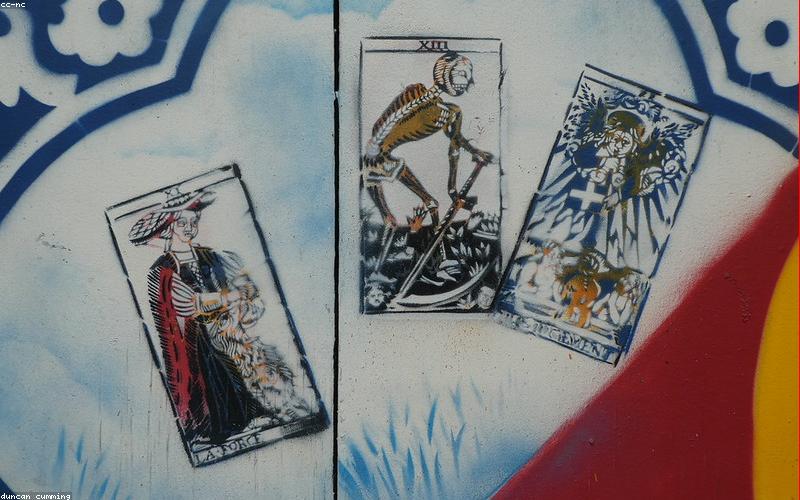
Many people worry that certain cards — especially Death or The Tower — are bad omens. In practice, every card carries both challenging and empowering meanings. Death almost never refers to physical death; it represents transformation, endings that make way for new beginnings, and necessary change.
Another misconception is that you must be "gifted" a deck or that you can't read for yourself. Neither is true. Buying your own deck is perfectly fine, and self-readings are one of the most powerful uses of tarot as a reflective practice.
Tarot also isn't tied to any specific religion or belief system. People of all backgrounds and beliefs use tarot as a psychological tool, a creative practice, or a spiritual companion. You get to define what it means to you.
Building a Tarot Practice
Consistency matters more than complexity. A daily one-card pull takes less than five minutes but builds your intuitive muscle over time. Keep a tarot journal where you note the card you drew, your initial reaction, and how it connected to your day.
Create a ritual around your practice if that appeals to you — light a candle, take a few deep breaths, or set an intention before shuffling. These small acts signal to your mind that you're shifting into a reflective state.
Most importantly, approach tarot with curiosity rather than anxiety. The cards are tools for empowerment, not sources of fear. They help you see what you already know but might not be acknowledging, and they invite you to consider perspectives you might otherwise overlook.
Test Your Knowledge!
Think you know this topic? Take a quiz and find out.
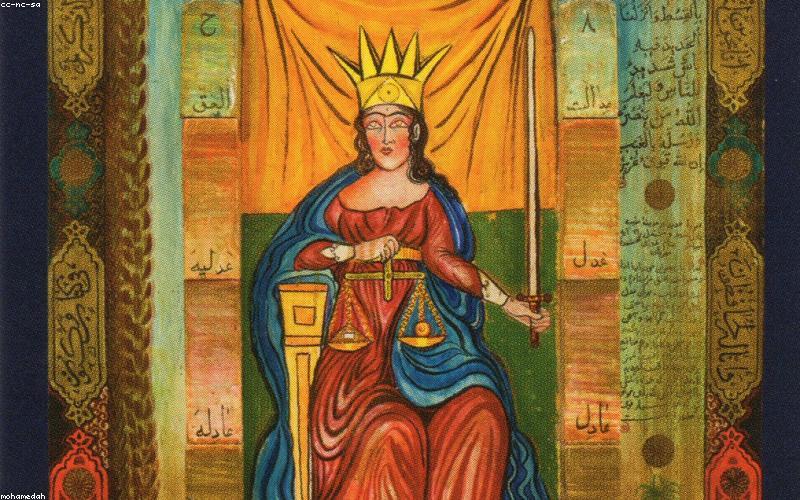
Which Tarot Card Represents You?
From The Fool's curiosity to The Magician's mastery, every Major Arcana card mirrors a part of the human experience. Take this 10-question quiz to discover which archetype most reflects your current self.
Which Witch Archetype Are You?
Throughout folklore and literature, witch archetypes have symbolized different forms of wisdom and connection to nature. This entertainment quiz helps you discover which archetype resonates with your personality. For self-reflection only.
Related Articles
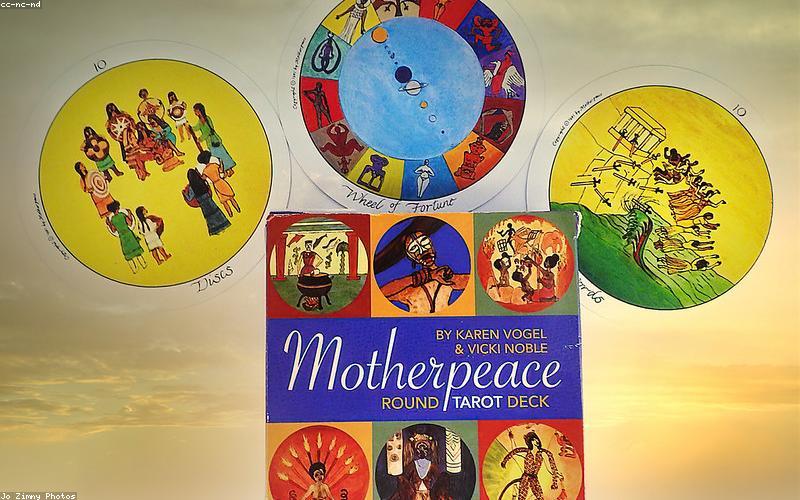
Major Arcana Tarot Meanings: All 22 Cards Explained
The Major Arcana tells the story of the soul's journey from innocence to wholeness. Learn the meaning of each of the 22 cards and how they relate to your life.
Minor Arcana Tarot Overview: The Four Suits Explained
The 56 Minor Arcana cards represent everyday experiences across four suits. Learn what Wands, Cups, Swords, and Pentacles mean and how to read them in context.
How Birth Order Shapes Personality: Firstborns, Middle Children, and Youngest Siblings
Discover what decades of research reveal about how your position in the family lineup influences your personality traits and life choices.